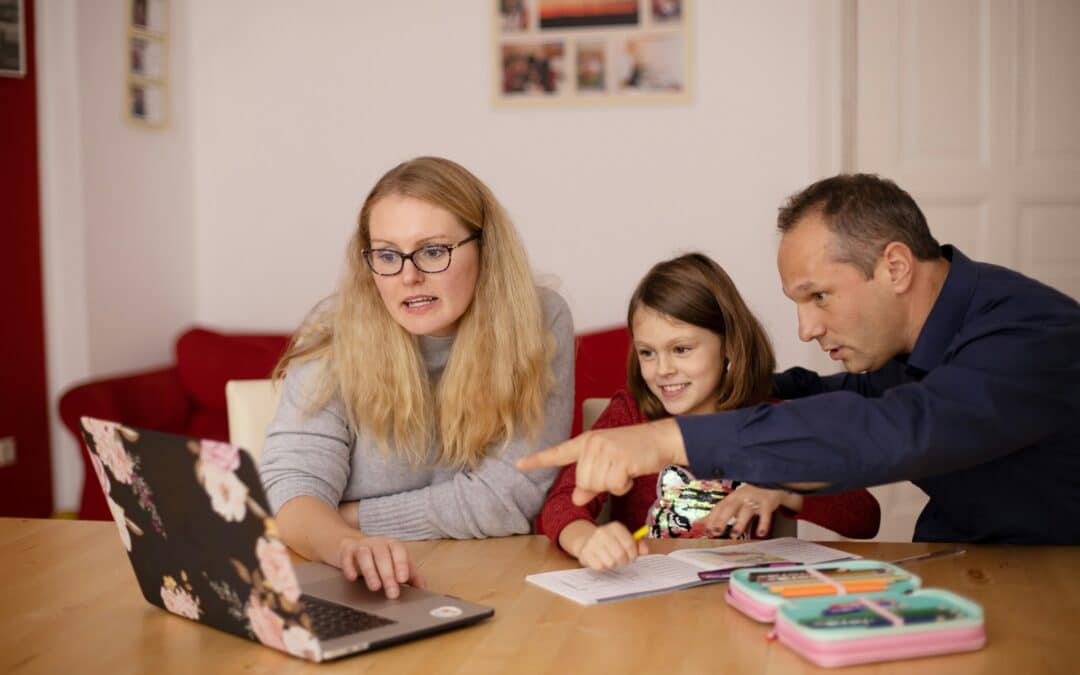
Supporting Your Child’s Emotional Well-Being in Online Learning
Supporting Your Child’s Emotional Well-Being in Online Learning
By My Virtual Academy — Helping Michigan Students Learn with Confidence and Care
At My Virtual Academy, we believe learning is about more than assignments and grades—it’s about helping every child feel valued, supported, and emotionally strong.
For many Michigan families, online learning has created new opportunities for growth, but it can also bring challenges such as isolation, anxiety, and a loss of motivation. That’s why emotional support for online learning students is at the heart of what we do.
Why Emotional Support Matters in Online Learning
Students learn best when they feel safe, connected, and confident. Emotional well-being fuels curiosity, persistence, and self-esteem—qualities that drive long-term success.
In virtual learning environments, parents play a powerful role in helping children manage feelings, stay connected, and build confidence.
According to the Child Mind Institute, consistent communication, encouragement, and emotional check-ins at home help students thrive in online education.
Start Each Day with Connection
A calm start sets the tone for learning. Greet your child warmly, talk about their goals for the day, and share something positive together—like breakfast conversation or a short walk.
💡 Connection before correction: Focus on emotional check-ins before reviewing assignments. Kids learn best when they feel seen.
Build Confidence Through Small Wins
In a virtual setting, students may not always get instant feedback. Celebrate small successes—finishing a lesson, asking a good question, or staying focused.
Positive reinforcement builds motivation and self-worth, especially for students who struggled in traditional classrooms.
Encourage Healthy Breaks
Emotions can build up when kids sit too long or feel frustrated by technology. Encourage short, active breaks: stretch, move, or play a quick game together.
A few minutes of movement helps reset the mind and prevents burnout.
Keep Communication Open
Ask questions that go beyond academics, like:
- “What part of today’s lesson made you feel proud?”
- “Was anything confusing or stressful?”
- “How can I help make tomorrow easier?”
By listening first, you show your child that emotions are normal and manageable, a critical part of emotional intelligence.
Model Calm and Positivity
Children mirror how parents handle challenges. When technology glitches or lessons feel tough, model patience and problem-solving:
“Let’s take a breath and figure this out together.”
Your calm presence teaches resilience, one of the most important emotional skills for success.
Foster Social Connections
Online learning doesn’t have to feel isolating. Encourage your child to join virtual clubs, participate in class discussions, or connect with peers through supervised platforms.
At My Virtual Academy, we build social opportunities into our learning model so students can collaborate and belong.
Learn more about our caring Student Success Coaching program, where teachers and coaches connect with every student personally.
Recognize Signs of Stress Early
If your child seems withdrawn, easily frustrated, or uninterested in school, take it as a cue to slow down and talk. Sometimes a quick break, a walk, or an encouraging word makes all the difference.
Reach out to teachers and coaches—they’re trained to support both academic and emotional needs.
The Bottom Line: Learning with Heart
Online learning gives families flexibility, but emotional support gives students strength. When children feel cared for, connected, and capable, they approach learning with confidence and curiosity.
At My Virtual Academy, we’re proud to nurture the whole student—mind and heart—through caring teachers, success coaches, and personalized support.
💻 Learn safely from home.
🧡 Build confidence with emotional support.
🎓 Grow academically and personally in a caring virtual community.
👉 Visit www.myvirtualacademy.com or call 1-800-297-2119 to talk with our enrollment team.
Because education should inspire confidence—and that starts with emotional well-being.